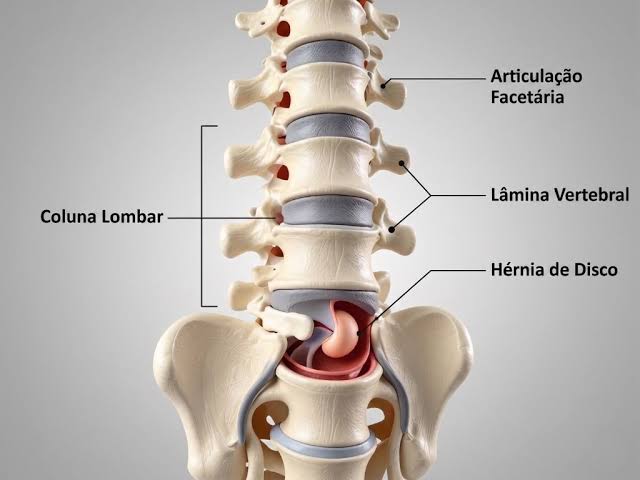
Pelvic issues? Pay attention to these warning signs
Experiencing involuntary urine leakage, menstrual pain, or a feeling of vaginal heaviness? Discover the warning signs of pelvic floor dysfunction and how pelvic physiotherapy can help restore your quality of life.

Pelvic Health Physiotherapist
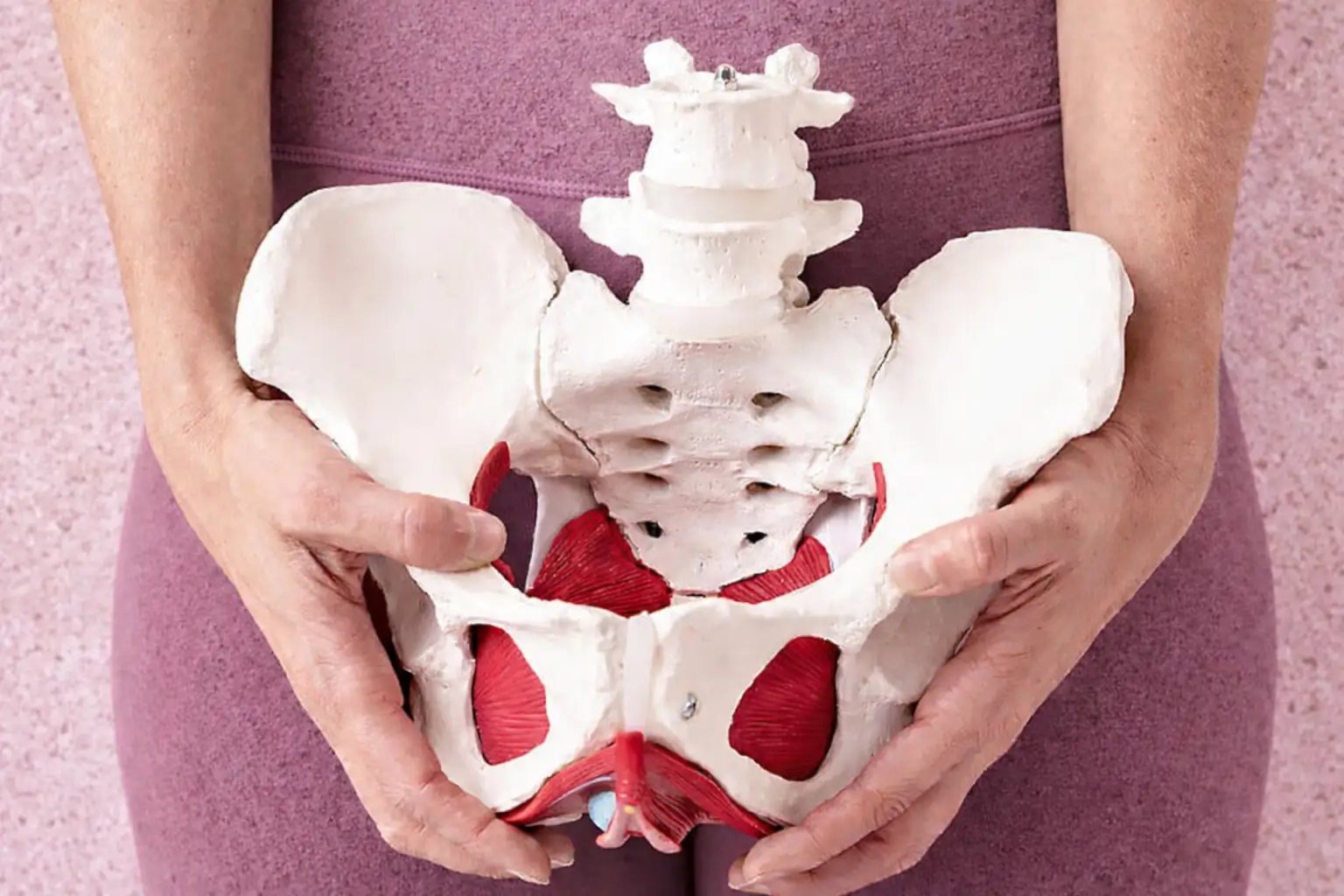
When we think of physiotherapy, the most common image that comes to mind is recovering from a knee, shoulder, or back injury. However, there is a fundamental area for well-being and quality of life that is often ignored due to embarrassment or lack of knowledge: pelvic floor physiotherapy.
The pelvic floor is a set of muscles and ligaments that supports essential organs such as the bladder, uterus, and bowel. When these muscles lose strength or accumulate tension, the body begins to send small warning signs.
When should you seek a pelvic floor physiotherapy consultation?
There are specific life stages when specialized support is particularly recommended:
- Pregnancy and postpartum: to prepare the body for childbirth and safely restore muscle strength afterward.
- Menopause: a time when hormonal changes can weaken pelvic tissues.
- Before and after pelvic surgery: to optimize recovery and prevent complications.
Main warning signs from your pelvic floor
Beyond these specific stages, there are several day-to-day symptoms that indicate a need to evaluate your pelvic health:
- Involuntary loss of urine: the most common complaint, which can happen during simple actions like laughing, coughing, sneezing, or jumping.
- Urinary urgency: feeling a sudden, uncontrollable need to urinate, or making excessively frequent trips to the bathroom.
- Pelvic pain: discomfort during menstruation or pain during sexual intercourse.
- Vaginal heaviness sensation: a constant pressure in the intimate area, which is very common after menopause.
- Bowel changes: frequent episodes of constipation, difficulty evacuating, or involuntary loss of gas and stool.
It is important to emphasize: although these symptoms are common, none of them should be considered normal. Every single one of them can be evaluated and treated.
Do not let discomfortlimit your daily routine.
Schedule an assessment consultation with our specialists and regain your well-being with total safety and privacy.