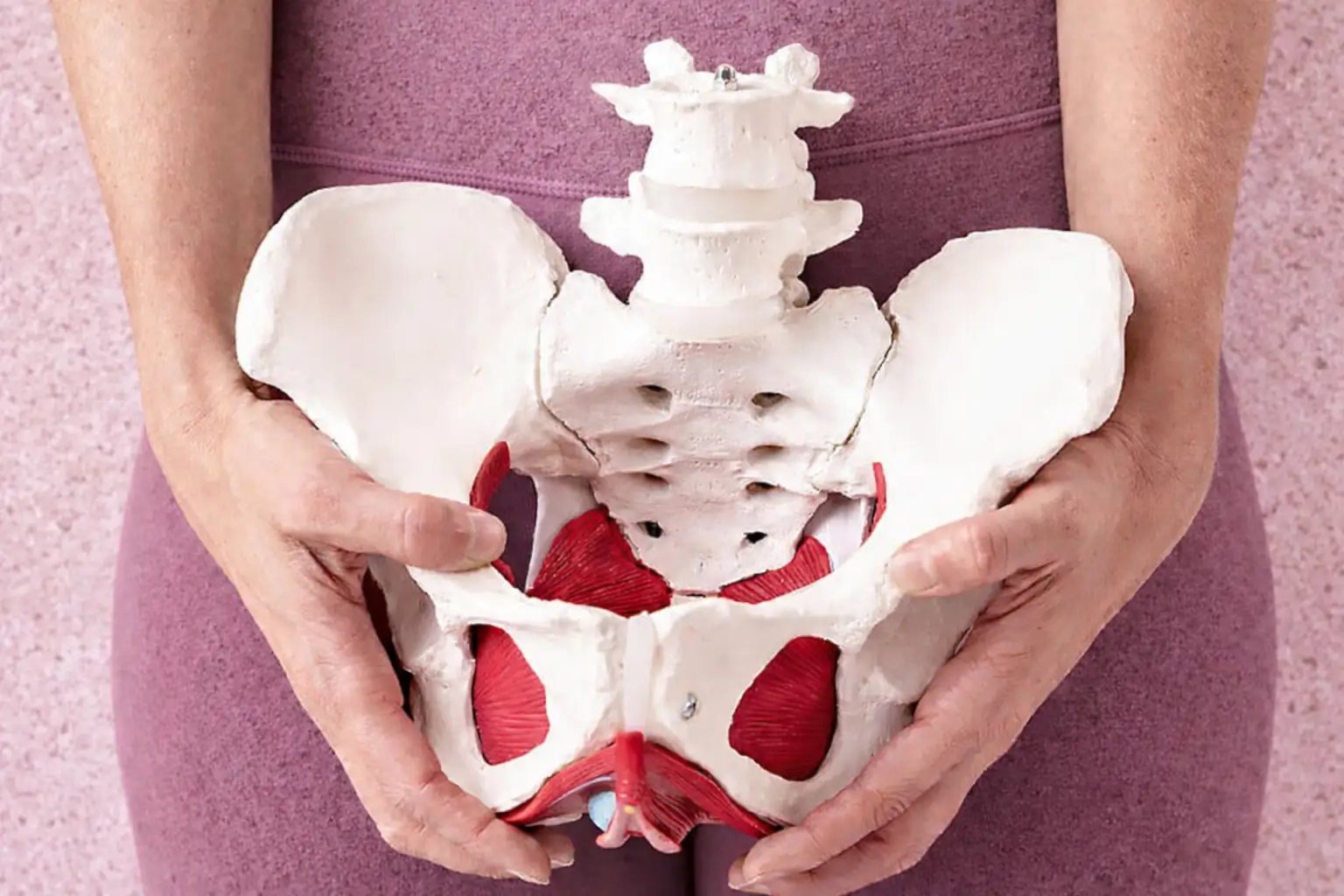
Herniated disc: Is the treatment physiotherapy or surgery?
Wondering whether a herniated disc requires surgery or physiotherapy? Discover how our Balanced Strategy helps your body recover naturally and when surgery is truly necessary.

Founder and Technical Director
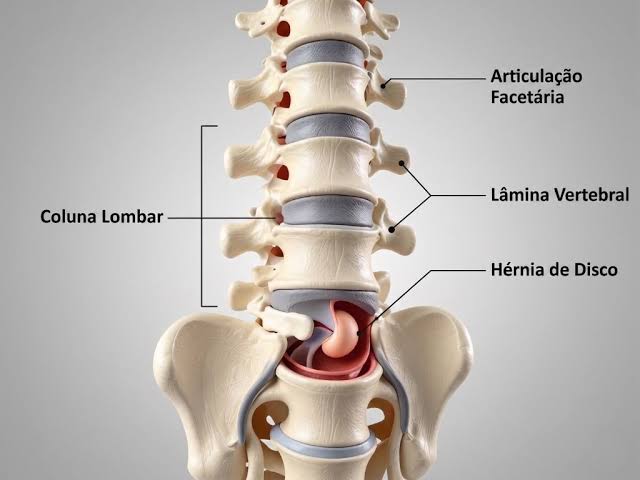
Receiving a diagnosis of a herniated disc almost always comes with questions and a degree of worry. The first question that usually comes to mind is: “Will I need surgery, or can physiotherapy resolve this?”
The most honest answer is: it depends. However, there is a fundamental fact that few people mention: between 65% and 70% of herniated discs reabsorb and resolve naturally within 6 to 24 months.
But take note: "naturally" does not mean sitting on the sofa waiting for the pain to pass. It means giving the body time through intelligent exercise, controlled movement, and specialized guidance.
How the body heals a herniated disc (with the right support)
The best way to achieve recovery is to be accompanied by a multidisciplinary team—specifically, a physiotherapist and an osteopath working together.
When we combine Manual Therapy (Osteopathy) with Therapeutic Exercise and Clinical Pilates, we achieve:
- Eliminating dysfunctional body tensions: relieving pressure on the spine.
- Increasing blood flow to the affected area: delivering more nutrients to the injured disc.
- Stimulating natural reabsorption of the disc: facilitating the immune system's own response.
- Reducing inflammation and pain: restoring mobility with comfort.
- Strengthening spinal stability: preventing the injury from happening again.
The result? A faster recovery with less pain and a return to your quality of life!
The right movement at the right time
Recovering from a herniated disc does not require heavy exercise or excessive effort. In the initial phase, the focus is on gentle and highly controlled movement, frequently using tools like Clinical Pilates to protect the spine while building strength back into the body.
To ensure the process is safe and progressive, we apply our Balanced Strategy:
- Weeks 0 to 2: Inflammation Relief and Tension Release
In this initial phase, the primary goal is to soothe pain and reduce inflammation. We mostly use manual therapy (Osteopathy) to eliminate mechanical tensions and create space for the disc to relieve pressure on the nerves.
- Weeks 2 to 6: Controlled Exercise and Re-education
With pain better controlled, we introduce therapeutic exercise and Clinical Pilates. At the same time, the osteopath continues movement re-education to ensure the spine operates in balance.
- Weeks 6 to 12: Progression and Consolidation
We gradually increase exercise intensity to strengthen the muscles supporting the spine. At this stage, a detailed re-evaluation of progress is performed:
If there are visible improvements: The exercise routine is maintained, and periodic manual therapy sessions are performed to optimize results.
If there is no favorable progress: Surgical options may be considered. It is important to emphasize that considering surgery at this stage is not a failure, but rather a natural evolution of the treatment plan when the body requires a different type of response.
When Is Surgery Truly Necessary?
Although most cases respond very well to conservative (non-surgical) treatment, there are specific situations where surgery stops being an option and becomes a clinical necessity.
Surgical intervention is indicated when there is:
- Progressive neurological deficit: rapid loss of strength in the legs or arms.
- Cauda Equina Syndrome: severe alteration in sphincter control (difficulty urinating or retaining stool) or numbness in the genital/perineal area.
- Persistent pain without any change: even after 6 to 12 weeks of well-structured conservative rehabilitation.
- Large central herniation: with severe compression of the spinal cord or nerves observed in imaging studies (CT scan or MRI).
In these specific cases, surgery has high success rates, providing between 80% and 90% pain relief.
Important note: Even after successful surgery, post-operative rehabilitation is essential to strengthen the body, regain full mobility, and prevent future episodes. Furthermore, studies show that going through a prior phase of physiotherapy significantly improves the results of the surgery itself.
The First Step: Always Try Conservative Treatment First
Except in the medical emergency situations mentioned above, the safest and most effective path is always to begin with conservative rehabilitation. There is nothing to lose and all your health to gain!
If you have a herniated disc diagnosis and are unsure about the best path to take, the ideal step is to seek a detailed evaluation with specialized professionals.
Would You Like to Speak with Our Team to Evaluate Your Case?
At EquilibrYou, we combine Physiotherapy, Osteopathy, and Clinical Pilates to create a recovery plan tailored to the needs of every spine!